

Learn More About Plantar Fasciitis
What is Plantar Fasciitis?
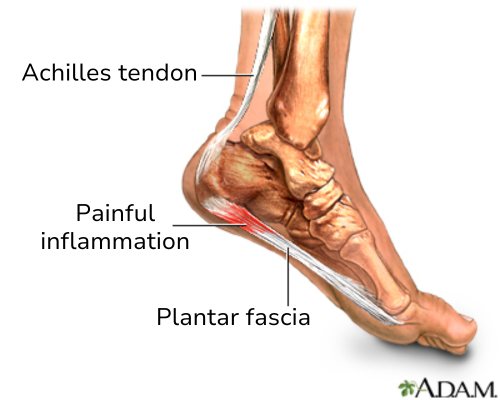
Plantar Fasciitis (PF) is a condition where the plantar fascia becomes swollen and painful. The plantar fascia is the thick ligament that runs along the bottom of your foot from the heel to the toes. It supports the underside of the foot, creates and maintains the arch in the foot, and plays an important role in the proper mechanics of foot motion.
Symptoms of Plantar Fasciitis
Common symptoms of plantar fasciitis include:
- Pain and stiffness in the bottom of the heel
- Burning, aching, stabbing pain
- Pain that is worse in the morning, after standing or sitting, when climbing stairs, or after intense activity
What Causes Plantar Fasciitis?
Plantar fasciitis was previously thought to be driven by bone spurs or heel spurs. However, research now suggests that most cases are due to repetitive use or over use. Repetitive use injuries are minor injuries that are undetectable when they occur, but over time, add up to create a more serious condition.
In the case of PF, the plantar fascia loses its elasticity as you age. As you move throughout the day, the fascia and surrounding soft tissues can develop small tears as they try to stretch with movement. Since we use our feet so often, these tissues have little time to rest and recover.
Additionally, your body will put down scar tissue in an effort to heal the damage. Scar tissue is a tight, fibrous tissue with poor circulation and flexibility. It is structurally weaker and has many more pain receptors than the tissue it is replacing. The stiff scar tissue further restricts the natural movement of the foot.
These small injuries may go unnoticed until one day, the accumulation of all the damage results in pain. If left untreated, the resulting scar tissue can calcify to become painful arthritis.
Why Won’t My Plantar Fasciitis Go Away?
For some people, common treatments work for occasional flare ups. But for others, plantar fasciitis pain lasts a long time and can interfere with everyday life. The reason your plantar fasciitis won’t go away may be that the treatment is only addressing the symptoms of the problem instead of the root cause.
For example, when you use ice and rest, you may get the swelling to decrease and the pain to subside. But the physical compromise in the foot that caused the pain and swelling in the first place has not been addressed and will likely come back.
If you’re using stretching and other physical interventions, you may find that the relief lasts longer, because you are getting closer to the root source. But for people with severe plantar fasciitis pain that will not go away, this may still not provide lasting relief.
More severe cases of PF may be treated with cortisone steroid injections into the heel and foot. This is done to reduce swelling and relieve pain. However, it is only a temporary measure, as it is not actually treating the root cause of the PF.
The Root Source of PF Pain
There are 27 bones and 33 joints in the foot. Connecting these many parts are muscles, tendons, and ligaments.
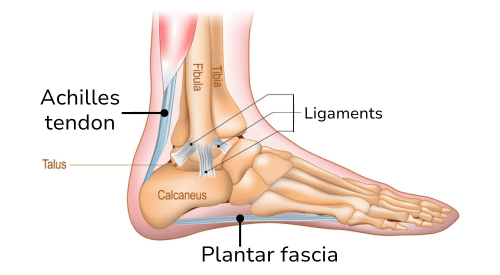 Having many small parts and connectors is what enables your foot to be so mobile and flexible. If you think about it, there’s a lot of action happening in that very small portion of your body.
As you take a footstep, the foot distributes the force and weight of your entire body. When we walk, we strike with the heel and transition to the toe to push off. Additionally, when you walk, your foot conforms to the surface upon which you are walking. If the plantar fascia does not have full flexibility, small micro tears will occur and impact its proper function. As these minor injuries occur, the scar tissue that forms will further reduce the flexibility of the plantar fascia, further disrupting the proper mechanical motion of the foot.
Chronic Plantar Fasciitis Goes Beyond your Feet
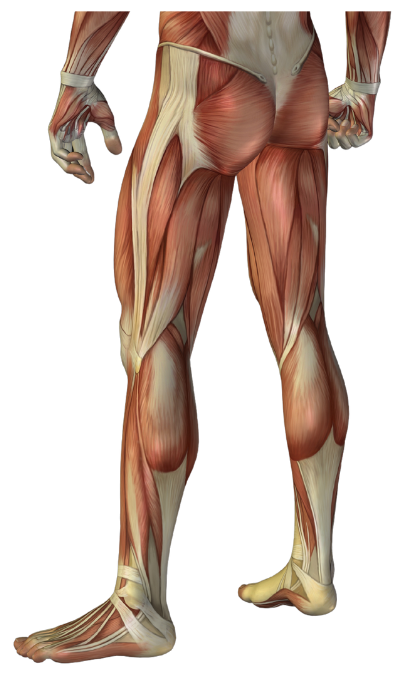 Now, take that a step further (don’t mind the pun). If your foot is not moving properly, other parts of your body will compensate to try and correct for the dysfunction. The ankle, knee, hip, all the way up to the low back – all of these structures rely on the proper motion of the foot. If the foot is not moving properly, your body will make adjustments. These adjustments will negatively impact the proper motion of each of these areas (ankles, knees, etc.), eventually resulting in arthritic changes.
Over time, the improper motion of the foot results in improper motion of the other joints and can cause pain and degenerative changes all the way up the system.
That is why we have to look at the motion of the whole to properly fix the problem. You cannot focus solely on the plantar fascia in isolation. It is only by finding and fixing the entire problem that we can find lasting relief.
PF itself is pretty easy to treat. It is the other issues that develop when the body compensates for the improper motion of the foot that are overlooked by many providers. In the case of PF, it is common for patients to develop arthritis in their foot, because of all of the joints of the foot that compensate for the ailing plantar fascia. In more severe cases, patients develop pain in their ankles, knees, hips and low back because of the problems in the foundation of their body – their feet.
Your feet are the foundation of your entire body. When the foundation is poor, the rest will crumble.